


Timeless Wood Flooring: 7 Things to Know Before You Refinish or Replace Your Existing Hardwood
- Ruslan Prisiajnyi
- Apr 17
- 7 min read

There is something deeply satisfying about walking on a hardwood floor that has been in your home for decades. These floors hold a kind of history—the scuffs from a family dog, the faint marks of furniture moved over the years, the warmth of a surface that has aged honestly.
But at some point every homeowner wonders if it is time to refinish or replace that flooring.
That question is not always easy to answer. The wrong decision can cost you thousands of dollars and weeks of disruption. The right one, however, can give your floor another 30 or 40 years of life—or set the stage for something entirely new and beautiful.
‘Timeless wood flooring’ is not just a phrase. It reflects the genuine durability and adaptability of real hardwood. When you understand what your floor is telling you, you can make a confident, money-smart choice.
Keep reading to learn seven essential things every homeowner should know before refinishing or replacing their hardwood floors.
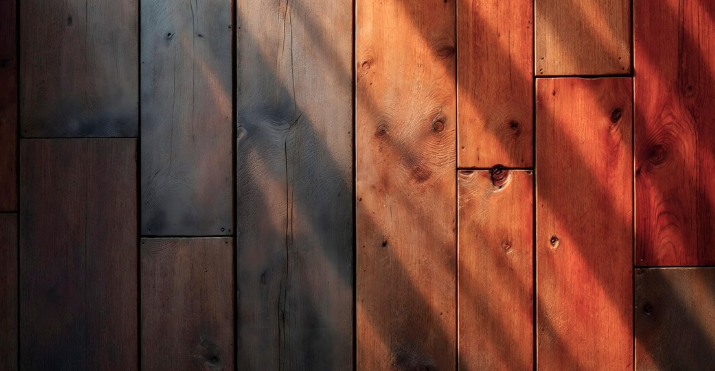
What Every Homeowner Should Know Before Refinishing or Replacing Hardwood Flooring
Before you call a contractor or start pulling up boards, there are critical facts that will shape your decision about what to do with your hardwood flooring.
1. The Thickness of Your Existing Planks Determines Everything
The single most important factor in deciding whether refinishing is even possible is the thickness of your hardwood planks. Solid hardwood is typically three-quarters of an inch thick, and each time it is sanded down during refinishing, a small layer is removed. Most solid hardwood floors can be sanded and refinished between five and eight times over their lifetime, depending on how aggressively each job is done.
If your floors have already been refinished multiple times, there may simply not be enough wood left above the tongue-and-groove joint to sand again safely. Sanding too deep can compromise the structural integrity of the plank and expose the tongue, making the floor unstable.
The best way to check is to look at the side of a floor register or a doorway threshold. This will give you a clear view of the plank's remaining thickness.
Engineered hardwood behaves differently. It has a real wood veneer, but that layer is much thinner than an actual solid hardwood plank. Depending on the product, it may only tolerate one or two light sandings before refinishing is no longer an option.
Knowing exactly what type of floor you have before assuming that refinishing is viable will save you a lot of disappointment and wasted quotes.
2. Surface Damage and Structural Damage Are Not the Same Thing
Many homeowners look at a floor full of scratches, dullness, and minor staining and immediately assume it needs to be replaced. In most cases, this surface-level wear is exactly what refinishing is designed to address. Sanding removes the old finish along with the scratches and discolouration, and a fresh coat of stain and polyurethane brings the wood back to life beautifully.
Structural damage, however, is a different matter entirely. This includes boards that are cupping (where the edges are higher than the centre), crowning (where the centre is higher than the edges), or boards that have cracked, split, or separated significantly from their neighbours. These issues often point to a moisture problem beneath the floor, and refinishing over them without addressing the root cause is a short-term fix that will fail.
Moreover, if you have soft spots, bounce, or squeaking that has worsened over time, it is worth having someone check the condition of your subfloor before any surface work begins. For instance, a subfloor that has suffered water damage from a past leak may need partial repair or full replacement before any new surface product can be installed. Telling the difference between cosmetic and structural issues is the first honest step in the process.
3. The Species of Wood You Have Affects How It Refinishes
Not all hardwood refinishes the same way. The species of wood matters enormously—both in how it accepts stain and in how it responds to sanding.
Red oak has a prominent open grain that accepts stain evenly and refinishes very predictably. White oak is slightly harder and tends to have a tighter, more consistent grain, which gives it a smoother appearance.
Softer species like pine require a much gentler touch during sanding. Over-sanding pine will create waves and unevenness in the surface that are difficult to correct.
Harder species like hickory and maple can be tricky with stain. Maple in particular has a tendency to blotch unevenly, which means your choice of stain colour and application method matters more than it would with oak.
If you are looking for wood flooring in Toronto or elsewhere in Canada, understanding the species of wood in your home is very important, as it will influence both the refinishing process and the flooring’s appearance. If you are considering changing the colour of your floor during refinishing, understanding your species will help set realistic expectations.
Some woods take darker stains more richly than others. For instance, going from a light natural oak to a deep walnut-style stain is very achievable on red oak but less predictable on maple without additional preparation steps, like pre-conditioning the wood before staining.
4. Moisture Is the Biggest Enemy of Any Hardwood Decision
Whether you are refinishing or replacing your hardwood floors, moisture can undo all your work within a single season. Wood expands when it absorbs moisture and contracts when it dries out. In climates that swing between humid summers and dry, heated winters, this movement is constant and significant. A floor that is installed, finished, or refinished without accounting for moisture conditions will show the effects within months.
Before any work begins on your floor, the moisture content of the wood itself should be measured. A professional will use a moisture metre to check both the hardwood and the subfloor. If there is a significant difference between the two, or if the readings are outside the acceptable range for the product being used, the job should be delayed until conditions are right. Rushing this step is one of the most common reasons refinished floors begin to show gaps, cupping, or finish adhesion problems shortly after the job is done.
If you are thinking about replacing your floor and choosing a new species or product, acclimatization is not optional. The new wood must sit in the room where it will be installed for a minimum of several days. This way it can adjust to the ambient temperature and humidity of your home before a single nail or staple is driven into it.
5. Partial Repairs Can Often Save You From a Full Replacement
Homeowners sometimes feel that because a section of their floor looks bad, the entire floor needs to come out. This is rarely true. Individual boards that are cracked, deeply gouged, or stained beyond what sanding can address can often be replaced one at a time—a process called board replacement or spot repair. A skilled installer can remove the damaged sections, source matching boards, and blend the repair into the surrounding floor so that it is nearly invisible after refinishing.
This approach is especially valuable in older homes where the flooring has a character and warmth that a brand-new floor simply cannot replicate. The goal of a partial repair is not perfection — it is to restore the floor to a condition where it can be sanded and finished uniformly across the entire surface.
For instance, a dining room floor that has one corner badly stained from a long-ago appliance leak does not need to be fully replaced. The affected boards can be swapped, the whole floor lightly sanded, and a fresh finish applied. The result is a floor that looks cohesive and renewed at a fraction of the cost of replacement. Understanding this option can save homeowners significant money and preserve their home’s original character.
6. Refinishing Has Real Limits When It Comes to Colour and Style Changes
One of the most common reasons homeowners consider replacement over refinishing is a desire for a completely different look. This may include lighter tones, wider planks, a different species, or a more modern finish profile. Refinishing can address stain colour and sheen level, but it cannot change the width, length, or species of your existing floor.
If your current floor is made up of narrow two-and-a-quarter-inch strips and you want the popular look of wide-plank white oak, that style change requires replacement. No amount of sanding and staining will alter the physical character of the plank itself.
Similarly, if you want to go from a dark espresso stain back to a light natural tone, it is technically possible with enough sanding. But it requires removing more material than a standard refinish and must be assessed carefully against your floor's remaining thickness.
Understanding these boundaries honestly will help you decide whether the investment in refinishing matches your actual expectations, or whether replacement is the more logical path to getting the look you truly want.
7. Professional Assessment Saves You More Than It Costs
The single best investment you can make before deciding anything is a professional inspection of your floor. An experienced flooring professional will assess the plank thickness, check for moisture issues, identify the species and installation method, and give you an honest opinion about whether refinishing is worth it or whether replacement is the smarter long-term choice.
This kind of assessment is often free or very low cost, and it gives you facts instead of guesswork. Too many homeowners make costly decisions based on what a floor looks like, without knowing what is happening underneath. Moreover, a professional can identify whether any warranty on your existing product would be voided by DIY refinishing.
Deciding between refinishing and replacing your hardwood floor is a meaningful investment in your home, and it deserves a thoughtful, informed approach. The seven points covered here—from plank thickness and moisture management to species behaviour and realistic colour expectations—give you a solid foundation for that conversation. Timeless wood flooring earns that name not just because it looks beautiful but because, when handled correctly, it outlasts trends, survives decades of real life, and rewards homeowners who take the time to understand it. Whether you are restoring what you have or starting fresh with something new, the right knowledge and the right partner make all the difference.
Comments